In the world of podcasting, audio quality is king. You can have the most engaging guests, the most fascinating topics, and the best humor, but if your audio is marred by echo, hollow echoes, or double-voice effects, your listeners will quickly tune out. One of the most common and frustrating hurdles that podcasters face—especially when recording multi-person shows or interview-style episodes—is microphone bleed. Fortunately, this issue is highly preventable. By visiting Headphone Palace, you can find resources on various audio gear, but in this guide, we will focus specifically on how closed-back headphones serve as your primary shield against this recording nightmare.
Microphone bleed occurs when sound leaks out of your headphones and is picked up by your recording microphone. This creates a feedback loop or a faint, delayed duplicate of the audio track that is incredibly difficult to remove during post-production. Whether you are editing the podcast yourself or outsourcing it, bleed adds hours of tedious cleanup. In this article, we’ll dive deep into what causes bleed, what features to look for in headphones to prevent it, and the absolute best closed-back headphones available on the market today for professional-grade isolation.
What is Microphone Bleed and Why Does It Happen?
Microphone bleed, also known as headphone spill, is the accidental capture of headphone output by the recording microphone. It is particularly problematic in podcasting because host and guest voices are recorded on separate tracks to allow for independent editing. If Host A’s microphone picks up the voice of Guest B leaking out of Host A’s headphones, the tracks become “contaminated.” When you try to mute or edit Guest B’s track, their voice still faintly echoes on Host A’s track, causing phase cancellation, tinny sounds, and a lack of acoustic separation.
Bleed happens due to three main factors:
- Open-Back Designs: Headphones that have perforated or open earcups are designed to let air and sound pass through. While they offer a wide, natural soundstage, they leak sound excessively, making them entirely unusable for recording vocals.
- Poor Earcup Seals: Even if a headphone is closed-back, if the earpads do not form a tight, flush seal around your ears (due to thin padding, glasses, or weak clamping force), sound will escape through the gaps.
- Excessive Monitoring Volume: Monitoring your audio at unsafe or excessively high volumes will naturally increase the sound pressure inside the earcups, causing sound to push through even the best seals.
To give you a better idea of how different headphone designs perform when it comes to containing sound, let’s look at the average passive noise isolation (in decibels) across different form factors. Higher decibel attenuation means less sound escapes (and less ambient noise enters):
As the chart demonstrates, using open-back or semi-open headphones for podcasting is a recipe for severe mic bleed. Closed-back headphones, particularly high-isolation models, provide a physical barrier that traps sound waves within the earcups, keeping your vocal tracks clean and isolated. For deeper insights into different headphone classifications, you can check out the Headphones Category on Headphone Palace.
Key Features to Look For in Closed-Back Headphones for Podcasting
Not all closed-back headphones are created equal. When shopping for a podcasting pair, keep these key factors in mind to ensure maximum protection against bleed:
- Passive Noise Attenuation: Measured in decibels (dB), this indicates how much external sound the headphones block out, which correlates directly with how much internal sound they keep in. Look for models offering at least 20 dB of attenuation.
- Earpad Seal and Material: Leather, protein leather, or high-density memory foam earpads create a more airtight seal against the skull than velour or mesh fabrics. The tighter the seal, the lower the bleed.
- Clamping Force: The tension of the headband determines how firmly the earcups press against your head. A slightly firmer clamping force is desirable for podcasting to maintain a solid seal, even when you move your head or speak animatedly.
- Impedance: If you are plugging your headphones directly into a portable recorder (like a Zoom H6) or an entry-level audio interface, choose low-impedance headphones (under 80 Ohms) so they can be driven to adequate volumes without requiring a dedicated headphone amplifier. Higher impedance headphones (e.g., 250 Ohms) will sound too quiet unless powered by studio-grade interfaces.
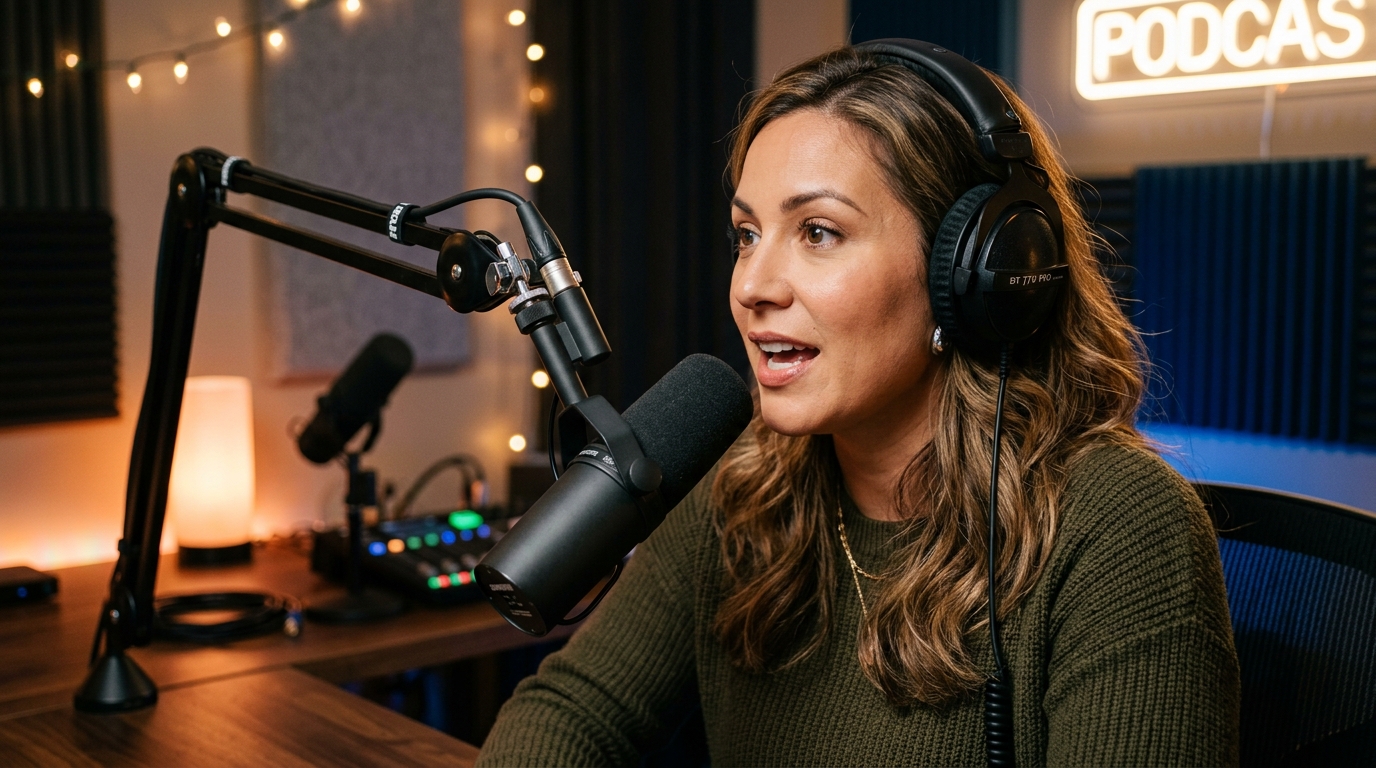
Top 5 Closed-Back Headphones to Prevent Microphone Bleed
To help you choose the best monitoring gear for your setup, we have compiled and analyzed the top closed-back headphones renowned for their isolation, vocal clarity, and comfort. If you’re interested in comparing these with consumer models, feel free to visit our Comparison Category.
1. Sennheiser HD 280 Pro – The Isolation King
If your primary goal is to completely eliminate microphone bleed, the Sennheiser HD 280 Pro is the industry standard. These headphones are legendary for their incredible passive noise isolation, blocking up to 32 dB of ambient sound. The tight clamping force ensures that the thick, synthetic leather earpads stay firmly sealed against your head, preventing even the loudest monitoring levels from leaking out.
- Pros: Unmatched passive isolation (32 dB), highly durable modular design with replaceable parts, flat frequency response for accurate vocal monitoring, very affordable.
- Cons: High clamping force can feel tight during multi-hour recording sessions; coil cable is heavy and non-detachable.
- Best For: Podcasters in noisy environments or those recording multi-person shows in close quarters.
2. Audio-Technica ATH-M50x – The Versatile Studio Standard
The Audio-Technica ATH-M50x is found in professional recording studios, radio booths, and video editing suites worldwide. It features 45mm large-aperture drivers that deliver a detailed, slightly exciting sound signature. Its closed-back design uses circumaural contours to mold around the ears, providing excellent sound isolation. The earcups also swivel 90 degrees, making it easy to do single-ear monitoring if needed.
- Pros: Detailed sound with excellent bass response, detachable cables (comes with three different cables), fold-flat design for easy travel, highly cushioned earcups.
- Cons: Synthetic leather pads can flake over years of heavy use; sound signature is slightly less neutral than dedicated mixing headphones.
- Best For: Solo podcasters, video podcasters, and content creators who need a versatile pair of headphones for recording, editing, and casual listening.
3. Beyerdynamic DT 770 Pro (80 Ohm) – The Comfort Champion
For long-form podcasts that run for hours, comfort is just as important as isolation. The Beyerdynamic DT 770 Pro is famous for its plush velour earpads and spring steel headband, making it feel like a cloud on your head. While velour pads generally leak more sound than leather, Beyerdynamic’s acoustic design and clamping system still provide impressive isolation, making it highly effective at preventing bleed at normal monitoring volumes.
- Pros: Outstanding, class-leading comfort; exceptionally wide soundstage for a closed-back headphone; highly detailed high-frequency response; extremely robust German build quality.
- Cons: Velour pads leak slightly more than leatherette; non-detachable cable; requires a decent audio interface to drive the 80 Ohm version properly.
- Best For: Long-form interview hosts and audio editors who prioritize wearing comfort above all else.
4. Sony MDR-7506 – The Vocal Clarity Standard
The Sony MDR-7506 has remained virtually unchanged since its introduction in the early 1990s, and for good reason. Its frequency response has a slight boost in the mid-range and presence region, which makes vocal tracks sound incredibly clear, forward, and easy to monitor. This mid-range focus allows podcasters to hear subtle mouth noises, plosives, and background hums during recording. The isolation is solid, and the headphones fold up into a compact pouch for mobile recordings.
- Pros: Incredible vocal presence and detail, lightweight and comfortable, durable metal components, folds up for portability, highly affordable.
- Cons: Non-detachable coiled cable; thin earpads may need replacement over time; high frequencies can sound slightly harsh or sibilant to some ears.
- Best For: Mobile journalists, field recordists, and podcasters who want to focus heavily on vocal articulation and edit out background noises in real-time.
5. Shure SRH440A – The Flat Response Underdog
Shure is a legendary name in podcasting (think of the SM7B microphone), and their headphones are equally impressive. The Shure SRH440A features a sleek, updated design with a highly neutral sound signature. This flat response ensures that what you hear is exactly what is being recorded, without artificial bass boosts. The closed-back design blocks out a significant portion of ambient noise and prevents headphone audio from spilling back into your Shure microphone.
- Pros: Extremely accurate and balanced sound signature, detachable straight cable, updated sleek aesthetics, comfortable headband.
- Cons: Plastic build feels less premium than some competitors; earpads are slightly shallow.
- Best For: Audio editors and podcasters who want an affordable, flat-frequency headphone for honest, transparent mixing.
Quick Comparison of the Best Podcasting Headphones
To help you weigh your options, here is a direct comparison of the key specifications for our top five closed-back recommendations:
| Headphone Model | Isolation Level | Impedance | Cable Type | Primary Strength |
|---|---|---|---|---|
| Sennheiser HD 280 Pro | Excellent (Up to 32 dB) | 64 Ohms | Coiled (Fixed) | Maximum sound isolation |
| Audio-Technica ATH-M50x | Very Good (Approx 20 dB) | 38 Ohms | 3 Detachable Cables | Versatile sound and portability |
| Beyerdynamic DT 770 Pro (80 Ohm) | Good (Approx 18 dB) | 80 Ohms | Straight (Fixed) | All-day wearing comfort |
| Sony MDR-7506 | Good (Approx 16 dB) | 63 Ohms | Coiled (Fixed) | Vocal clarity and monitoring |
| Shure SRH440A | Very Good (Approx 20 dB) | 44 Ohms | Straight (Detachable) | Flat frequency accuracy |
Practical Tips to Further Reduce Headphone Bleed in Your Podcast
While buying a great pair of closed-back headphones is the most crucial step, your behavior and studio setup also play a significant role. Use these practical tips to guarantee a bleed-free recording environment:
- Monitor at Lower Volumes: It is tempting to crank up the volume, especially during long recording sessions. However, keeping the monitoring volume at a moderate level (around 60-70 dB SPL) will dramatically reduce the chances of sound leaking through the cups.
- Ensure a Proper Fit: If you wear glasses, the frames can break the seal of your earpads, leaving tiny gaps for sound to escape. Consider using thin-framed glasses or adjusting the headphones to sit snugly. Also, check that your hair is tucked behind your ears.
- Maintain Distance from the Mic: Microphone bleed is governed by the inverse-square law of physics—the closer the leaking headphones are to the microphone capsule, the louder the bleed will be. Position your microphone 4 to 6 inches away from your mouth, and ensure you do not lean in so close that your headphones touch the mic.
- Use a Dynamic Cardioid Microphone: Dynamic microphones (like the Shure SM7B or Rode PodMic) are far less sensitive to off-axis and distant sounds than condenser microphones. Using a dynamic microphone with a cardioid polar pattern naturally rejects sound coming from the sides and rear (where your headphones are located).
- Replace Worn-Out Earpads: Over time, the foam inside your earpads degrades and the outer cover cracks, losing its sealing capability. Inspect your headphones regularly and replace worn pads with fresh, high-density leatherette replacements to maintain peak isolation.
Final Verdict: Which Closed-Back Headphone Should You Buy?
Preventing microphone bleed is essential to achieving a polished, professional sound that listeners expect. If you want a setup that requires minimal post-production cleanup, investing in one of these closed-back models is a must.
- For the absolute highest isolation and quietest tracks, go with the Sennheiser HD 280 Pro.
- For a perfect balance of vocal clarity, portability, and reliable monitoring, the Sony MDR-7506 remains an unbeatable classic.
- For premium sound quality, durability, and versatility in both tracking and editing, choose the Audio-Technica ATH-M50x.
- For maximum comfort during long sessions where isolation needs are moderate, the Beyerdynamic DT 770 Pro (80 Ohm) is the premium choice.
Choose the pair that matches your workflow, budget, and comfort preferences, and enjoy cleaner, more professional multi-track podcast recordings! For more tips on setting up your podcast gear, be sure to head over to the Headphone Palace Blog.
Discuss more about this, FAQ, Announcements and Miscellaneous, over on our community.
