Few things are as frustrating as setting a new personal record on your morning run, only for your rhythm to be suddenly shattered by a falling earbud. You stop, retrieve it from the pavement, wipe off the sweat, and push it back into your ear, only for the same thing to happen a half-mile later. If this sounds familiar, you are not alone. Earbuds slipping out during exercise is one of the most common complaints among runners, joggers, and fitness enthusiasts alike.
While it might feel like a minor annoyance, a poor earbud fit can disrupt your concentration, ruin your training flow, and even lead to damaged or lost audio gear. Fortunately, this is not an unsolvable mystery. By understanding the mechanical and anatomical reasons behind why earbuds fall out when running, you can take simple, effective steps to secure your fit. For comprehensive guides on choosing the right audio equipment for your lifestyle, feel free to visit the Headphone Palace homepage.
The Anatomy of Fit: Why One Size Does Not Fit All
To understand why earbuds fall out, we first need to look at human anatomy. The outer ear consists of several complex structures, including the concha (the bowl-like cavity leading to the ear canal) and the tragus (the small, pointed cartilaginous projection). The earbud relies on a combination of friction against the ear canal walls and support from the surrounding concha to stay in place.
The core issue is that ear canals are as unique as fingerprints. Some people have wide, straight canals, while others have narrow, sharply curved canals. Furthermore, anatomical asymmetry is incredibly common: it is highly likely that your left ear canal is a different size or shape than your right ear canal. When manufacturers design earbuds, they typically aim for a statistical average. If your ears deviate from this average, standard earbuds will either feel painfully tight or slide out at the slightest movement.
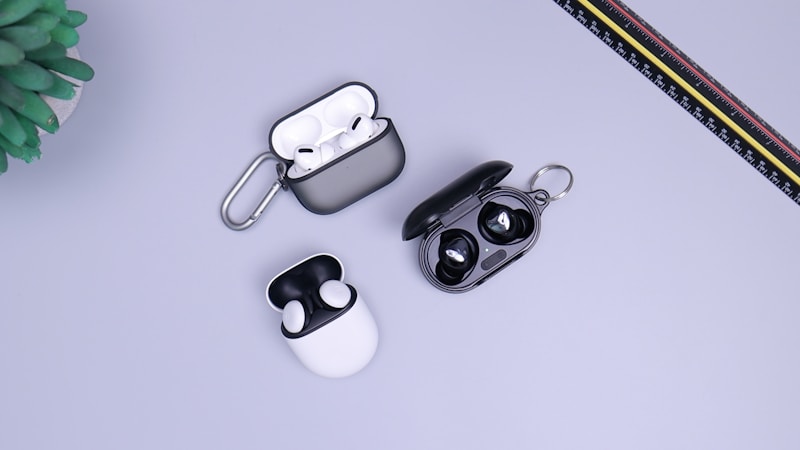
The 5 Main Reasons Your Earbuds Fall Out While Running
When you add the physical stress of running to anatomical differences, the likelihood of your earbuds falling out increases dramatically. Here are the five primary reasons why this happens:
- 1. Incorrect Ear Tip Size and Material: Most wireless earbuds ship with standard silicone ear tips in small, medium, and large sizes. Many users stick with the pre-installed medium tips without testing the others. If a tip is too small, it won’t create a seal; if it is too large, it will slowly squeeze itself out. Additionally, silicone tips do not adapt well to the changing shape of the ear canal.
- 2. Sweat and Moisture Accumulation: Running is a high-intensity aerobic activity. As your body temperature rises, you sweat, and that moisture accumulates inside your ear canal. Silicone becomes extremely slippery when wet. This reduction in friction makes it easy for the earbud to slip out under gravity and movement.
- 3. Repetitive Impact and Vibration: Every time your foot strikes the ground, a shockwave travels up your body through your skeletal system. This vertical oscillation forces the earbuds to move. Over hundreds of strides, these micro-vibrations gradually displace the earbud from its seated position.
- 4. Dynamic Jaw Movement: Your ear canal is located directly adjacent to the temporomandibular joint (TMJ), which controls your jaw. As you breathe heavily, swallow, or talk during a run, the movement of your jaw changes the shape and diameter of your ear canal. This constant flexing action can slowly push the earbuds outward.
- 5. Cable Tension (for Wired or Tethered Models): If you use wired earbuds or a tethered wireless style (where a cord connects the two buds), the motion of the cable bouncing against your neck or chest creates a downward pull. This constant tugging is often enough to dislodge even well-fitting earbuds.
What the Data Tells Us About Earbud Fit and Running
To put this into perspective, let’s look at survey data collected from active runners regarding their experiences with earbud stability. The chart below details the primary reasons runners reported their earbuds falling out during exercise.
As the data indicates, physical size mismatch and moisture are responsible for 70% of all earbud failures during runs. Choosing the correct form factor is essential to mitigate these issues. Below is a comparison of the most common earbud designs and how they perform during running.
| Earbud Type | Fit Style | Stability Rating | Ambient Awareness | Best For |
|---|---|---|---|---|
| Standard True Wireless | In-ear (friction fit) | Average | Low (passive isolation) | Casual joggers, gym workouts |
| Sports Wingtips | In-ear + inner ear fin | High | Medium | Intense runners, trail running |
| Over-Ear Hooks | Around-ear hook + in-ear | Very High | Low to Medium | Sprinters, high-impact training |
| Bone Conduction | Open-ear (temple) | Very High | High (maximum safety) | Road runners, cyclists, outdoor safety |
Practical Solutions: How to Keep Your Earbuds in Place
If you’re tired of constantly adjusting your earbuds during runs, try implementing these practical solutions. Often, a combination of a few tweaks will completely eliminate the issue:
1. Perform a Proper Ear Tip Test: Do not assume your ears are the same size. Try putting a large tip in your left ear and a medium tip in your right ear if that is what it takes to get a secure seal. A proper fit should seal out background noise and feel snug, but not painful. Many modern earbud apps (like Apple Health or Jabra Sound+) include a digital fit test that plays sound to measure acoustic seal.
2. Upgrade to Memory Foam Ear Tips: Standard silicone tips are cheap and easy to clean, but they lack grip. Memory foam tips react to your body heat, softening and expanding to mold perfectly to the unique shape of your ear canal. They offer significantly higher friction than silicone, even when exposed to sweat. You can purchase third-party foam tips (such as Comply Foam) that are compatible with almost all major earbud brands.
3. Use the “Reach and Pull” Insertion Technique: How you insert your earbuds matters. To get them seated deeply and securely, reach over your head with your opposite hand and gently pull the top of your ear lobe upward and backward. This action straightens out your ear canal. Insert the earbud with your other hand, gently twist it into place, and let go of your ear. Your ear canal will close around the earbud, securing it firmly.
4. Clean Your Ears and Earbuds Regularly: Natural earwax and sebum (skin oils) coat the ear canal and transfer to the earbud tips. This creates a lubricated surface that makes slipping inevitable. Before a run, wipe the earbud tips with a clean microfiber cloth. You should also periodically sanitize them with a small amount of rubbing alcohol to remove oil build-up.
5. Invest in Ear Hooks or Wingtips: If your current earbuds do not stay in, you may need a mechanical aid. Ear hooks loop over the top and behind your outer ear, distributing the weight and preventing the bud from falling even if it loses its seal. Wingtips, on the other hand, wedge themselves under the ridge of your outer ear (the antihelix), locking the earbud in place internally.
For more detailed maintenance guides and troubleshooting tips, check out our latest write-ups in the blog category.
Choosing the Right Running Headphones
If you have tried all the adjustments and your earbuds still fall out, it might be time to look for a dedicated pair of sports headphones. When shopping, keep the following features in mind:
- Water and Sweat Resistance: Look for an IP (Ingress Protection) rating of at least IPX4, which protects against splashing water and sweat. For heavy sweat or rain, look for IPX7 or higher.
- Physical Buttons: Touch-sensitive controls can be extremely frustrating on a run. Sweat dripping down your face or damp fingers can trigger accidental pauses or track skips. Physical buttons are much more reliable during intense exercise.
- Safety and Ambient Modes: Running outdoors requires awareness of your surroundings, such as traffic, cyclists, and pedestrians. Look for earbuds with a robust transparency mode, or opt for open-ear designs.
To see how different sport-centric models compare in terms of battery life, durability, and fit stability, check out our comprehensive comparison category. Alternatively, if you want to browse specific reviews and models, head over to the headphones category.
Conclusion
Having an earbud fall out during a run is more than just a minor annoyance; it disrupts your focus and ruins the enjoyment of your workout. Fortunately, by understanding your ear anatomy, testing different ear tip sizes and materials (like memory foam), using correct insertion techniques, and choosing the right form factor, you can solve this problem once and for all. Take the time to find the perfect fit, and you will enjoy comfortable, interruption-free runs for miles to come.
Discuss more about this, FAQ, Announcements and Miscellaneous, over on our community.
